
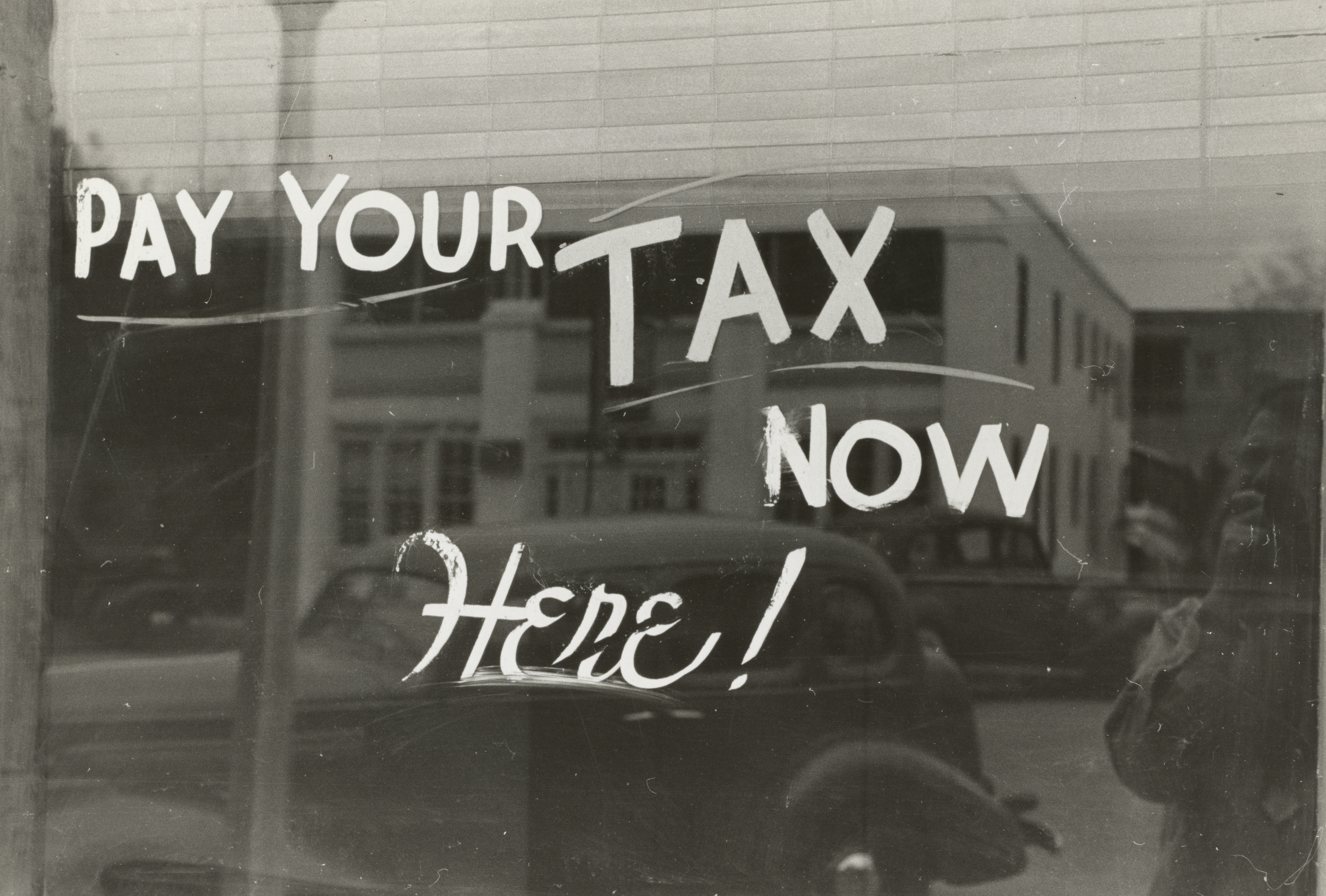
If you own a business, or an interest in one, you may be entitled to relief from Inheritance Tax. With Business Relief, qualifying business assets can be passed on free from Inheritance Tax either while you are still alive or after your death.
In this guide, we look at how Business Relief can be a valuable estate planning tool for business owners. Here’s how it can protect the assets you’ve worked hard to build up and help you leave a legacy for future generations.
Inheritance Tax for business owners
Inheritance Tax (IHT) is a tax applied to the value of your estate after you die. Your estate essentially consists of everything you own including savings, investments, property, life insurance payouts (if not written in trust), personal possessions, and business assets.
Currently, every person in the UK has an Inheritance Tax allowance of £325,000 (this is called the ‘nil-rate band’). You might pay Inheritance Tax if your estate exceeds the threshold, unless the excess qualifies for a further allowance or exemption, for example you leave the excess to your spouse or civil partner, a charity, community amateur sports club, or direct descendants
The nil-rate band is currently frozen until 2030, which means more estates are becoming liable to Inheritance Tax due to rising asset values. Inheritance Tax is charged at 40% on the value above the threshold, or 36% if donating 10% of your estate to charity, disregarding further allowances or exemptions So, for example, a single person estate worth £3 million, the Inheritance Tax due could be as high as £1,070,000 (40% of the difference between £3 million and £325,000).
Given the high Inheritance Tax rate, it’s important to plan ahead, especially if you’re a business owner. After years of hard work, you don’t want to have to pay 40% tax on your valuable business assets.
Business Relief explained
A valuable estate planning tool, Business Relief allows you to claim Inheritance Tax relief on business assets you own, including shares in qualifying businesses. It essentially reduces the value of a business or business assets in the calculation of your Inheritance Tax liability.
To receive Business Relief, you must have owned the business or business assets for at least two years before your death. However, not every business or interest in a business qualifies for Business Relief.
What types of businesses and assets qualify for Business Relief?
To benefit from Business Relief, the business or assets must meet criteria set out by HMRC.
Typically, the relief is available for:
- An unincorporated qualifying trading business or an interest in one
- Shares in an unquoted qualifying company, including a minority holding
- Shares in a qualifying company listed on the London Stock Exchange’s Alternative Investment Market (AIM)
Businesses mainly involved in investments or securities are not eligible for Business Relief. This includes those focused on making or holding investments, such as buy-to-let or property investment businesses. Therefore, the relief is not available to buy-to-let investors.
From April 2026, the first £1million of qualifying business (and agricultural) assets benefit from 100% Inheritance Tax relief. Any amount above this threshold receives only 50% relief, meaning the excess is effectively taxed at 20%.
You may be able to claim 100% relief on:
- A business or interest in a business
- Shares in an unlisted company
You may be eligible for 50% relief on:
- Shares controlling more than 50% of the voting rights in a listed company
- Land, buildings, or machinery wholly or mainly used for the purposes of the business
- Land, buildings, or machinery used in the business and held in a trust that it has the right to benefit from
Business Relief may be claimed by the executor of your Will or the administrator of your estate. Alternatively, you can give away business property or assets while you are still alive and the estate can get relief from Inheritance Tax, as long as the property or assets qualify. However, if you do give away business property or assets, the recipient must keep them as a going concern until your death if they want to keep the relief.
The advantages of Business Relief
From an estate planning perspective, Business Relief can offer business owners several benefits beyond the tax relief.
For a start, owners don’t need to sell their business assets. This can be beneficial as offloading a business can be complicated. For example, if the economy is weak, assets may end up being sold for less than they are worth.
Secondly, there can be timing benefits. When making gifts or settling assets into trust, it usually takes seven years for assets to become free of Inheritance Tax. However, with Business Relief, qualifying assets can be passed down to beneficiaries free of Inheritance Tax on the death of the business owner provided that the assets have been held for at least two years.
Effective estate planning
Business Relief is just one tool that business owners can utilise when it comes to estate planning. Other strategies to consider include:
- Contributing to a pension – A pension is generally not considered part of one’s estate.
- Making use of trusts or Family Investment Companies (FICs) – These structures can be used to pass on wealth tax-efficiently.
- Using gift allowances – By gifting assets to loved ones, a business owner can significantly reduce the size of their estate.
- Making charitable donations – If you leave money to a UK registered charity, it won’t count towards your taxable estate.
There is increasing discussion about bringing unused pensions into the scope of Inheritance Tax from April 2027. So early planning is increasingly important.
HMRC detailed information can be found here: Inheritance Tax: detailed information - GOV.UK
Ultimately, it’s sensible to put a proper estate plan in place with the help of an expert. An expert will make sure that you are taking advantage of all available Inheritance Tax minimisation strategies and that you are doing everything you can to pass your wealth on to future generations.
Looking for help understanding Inheritance Tax and Business Relief?
If you’re looking to protect your assets as a business owner, Business Relief could be beneficial. A valuable Inheritance Tax planning tool, it could provide relief of up to 100% when you pass away.
However, like many areas of taxation, Business Relief is complex. If you are considering using it as part of your estate planning strategy, it’s a good idea to speak to an expert first.
At Bowmore, we have decades of experience helping business owners protect their assets. We understand the challenges you face in this area of wealth management, and we can help you navigate them.
If you would like to learn more about how we can help you with your financial advice for your business, get in touch.
Regulatory Information
- Bowmore Financial Planning Ltd is authorised and regulated by the Financial Conduct Authority
- The Financial Conduct Authority does not regulate Estate Planning or Inheritance Tax Planning.
- Bowmore Financial Planning Ltd is not regulated to provide tax advice.
- A pension is a long-term investment not normally accessible until age 55 (57 from April 2028 unless the plan has a protected pension age). The value of your investments (and any income from them) can go down as well as up which would have an impact on the level of pension benefits available. Your pension income could also be affected by the interest rates at the time you take your benefits.
- The tax implications of pension withdrawals will be based on your individual circumstances, tax legislation and regulation which are subject to change. You should seek advice to understand your options at retirement.